

ISSB S1 and S2 Implementation Guide: Moving from ESG Reporting to Financial Integration

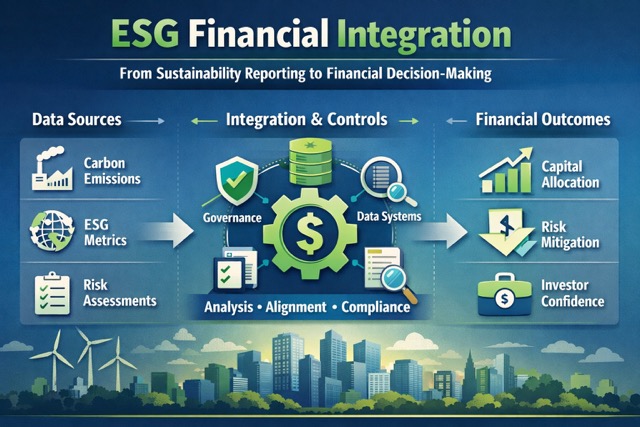
ESG Financial Integration- Why ISSB Standards Are Reshaping ESG Reporting in Capital Markets
The introduction of ISSB IFRS S1 and IFRS S2 standards marks a decisive shift in how organisations approach sustainability reporting. These standards are not designed to increase reporting burden—they are intended to embed sustainability into financial decision-making, risk management, and capital allocation.
Backed by global regulators such as the International Organization of Securities Commissions, ISSB standards have elevated ESG disclosures from narrative reporting to investor-grade financial information.
Today, sustainability data is no longer peripheral—it directly influences valuation, cost of capital, and investor confidence.
The Core Problem: Why Most ISSB Implementations Fail
Despite widespread adoption efforts, most organisations are still misinterpreting ISSB S1 and S2.
Instead of treating them as enterprise-wide system requirements, companies often approach them as:
- Disclosure checklists
- Sustainability team outputs
- Standalone reporting exercises
This leads to a fundamental breakdown:
- ESG teams operate independently
- Finance teams remain disconnected
- Risk and strategy functions are not integrated
The result?
High-quality reports with low credibility under investor or audit scrutiny.
ISSB S1 vs S2: What Actually Changes in Practice
Understanding the distinction between S1 and S2 is critical for effective implementation.
IFRS S1 – Enterprise-Wide Sustainability Integration
- Covers all sustainability-related risks and opportunities
- Establishes linkage between ESG and business value
- Requires integration across governance, risk, and strategy
- Focuses on enterprise-level data architecture
IFRS S2 – Climate-Specific Financial Impact
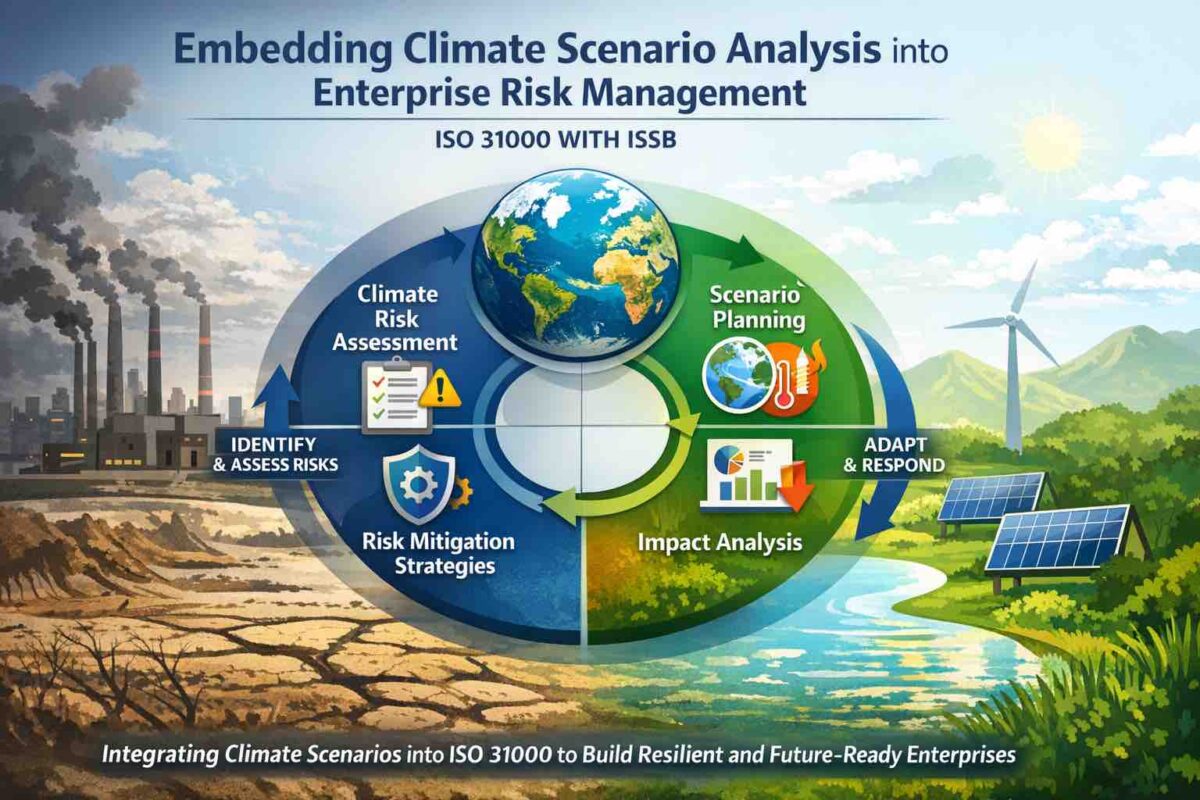
- Focuses specifically on climate-related risks and opportunities
- Requires scenario analysis, emissions data, and transition plans
- Emphasises financial materiality of climate risks
- Has higher assurance expectations (modelling, assumptions, estimates)
Where Companies Go Wrong
Most organisations:
- Over-invest in climate modelling (S2)
- Under-invest in governance and systems (S1)
This creates a dangerous imbalance:
Advanced climate scenarios without credible data governance or controls.
The Financial Integration Gap: Where ESG Systems Break Down
The biggest failure point in ISSB implementation is financial integration.
Evidence from the European Central Bank revealed that many institutions could not:
- Link climate risks to balance sheets
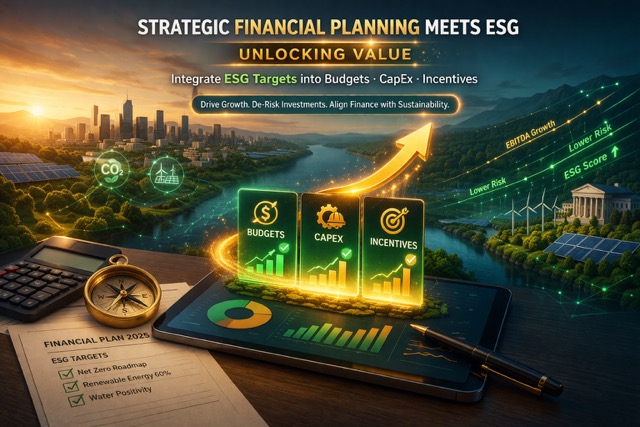
- Integrate ESG assumptions into financial planning
- Translate sustainability risks into cash flow impacts
This pattern is now visible across industries:
- Climate risks identified, but not reflected in budgets
- Scenario analysis conducted, but not used in decision-making
- Emissions data collected, but not linked to capital allocation
A well-known example is Shell plc, where investor scrutiny highlighted the gap between net-zero commitments and capital expenditure decisions.
This is precisely the gap ISSB aims to close:
From disclosure → to decision-making
Governance: The Foundation of ISSB Compliance
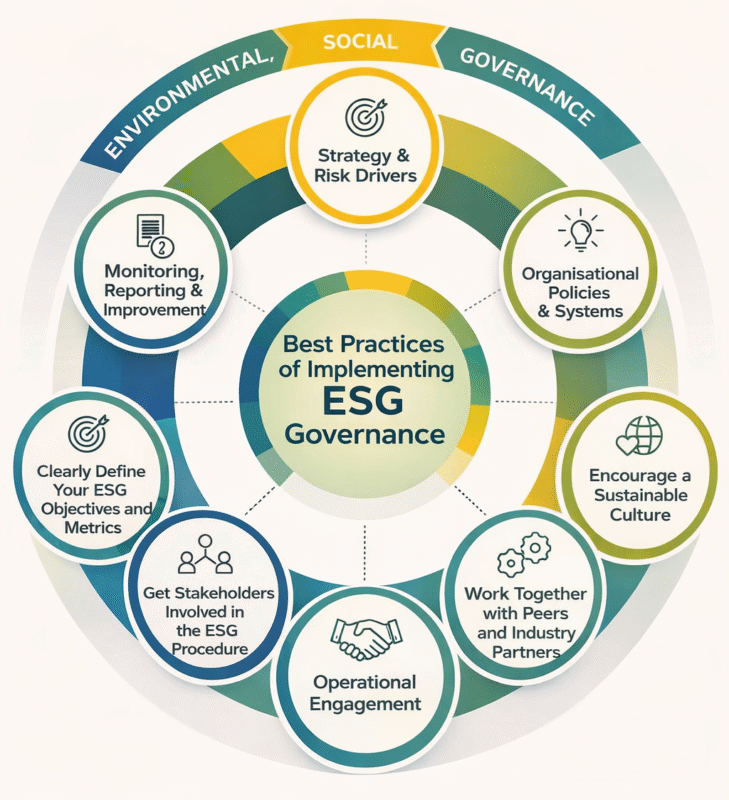
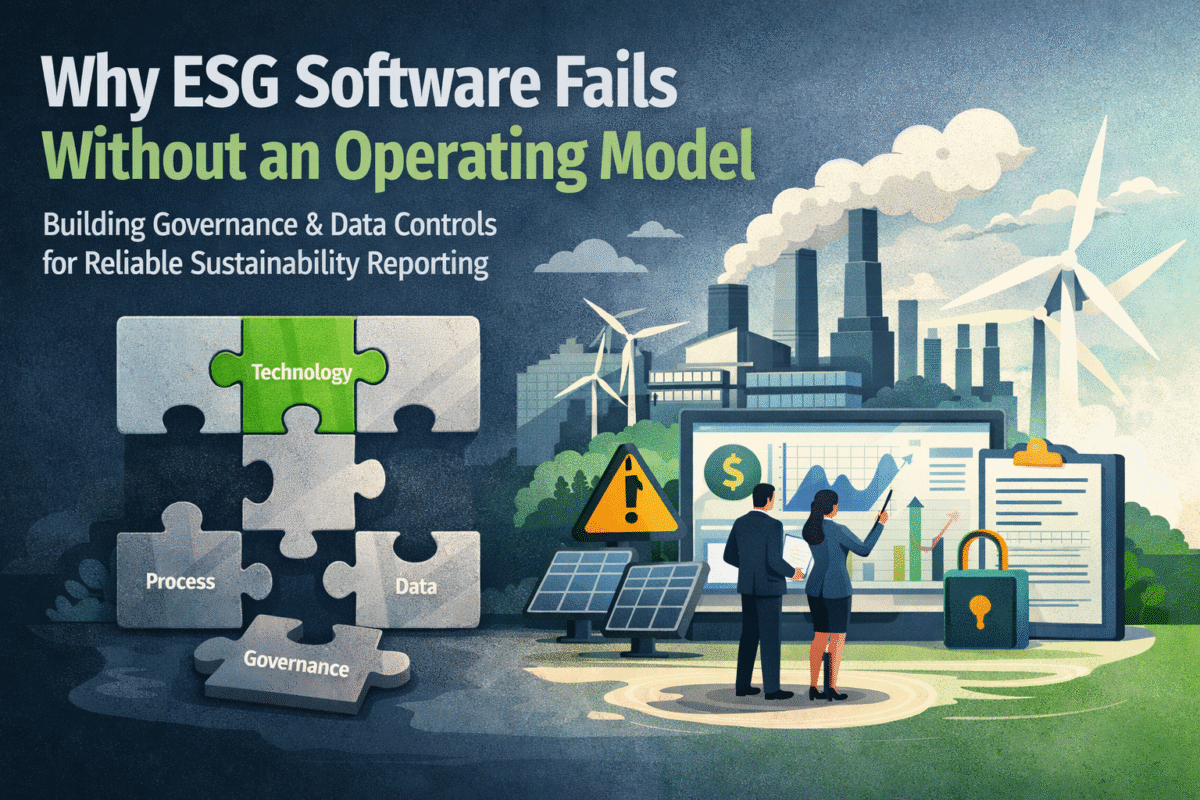
ISSB implementation is not a data problem—it is a governance problem first.
The Financial Reporting Council has repeatedly identified weak governance as the primary reason ESG disclosures fail under scrutiny.
Common Governance Failures
- ESG committees operating in isolation
- Lack of ownership between finance and sustainability teams
- Absence of documented controls and accountability
- Weak board-level oversight
What Good Governance Looks Like
Leading organisations such as Unilever demonstrate:
- Board-level ESG integration
- Alignment between sustainability strategy and financial decisions
- Clear accountability across functions
ISSB success requires integration across board, audit, risk, and executive functions.
ESG Data Architecture: The Hidden Constraint
A major barrier to ISSB implementation lies in weak ESG data systems.
The European Securities and Markets Authority has flagged inconsistent ESG disclosures due to:
- Poor data traceability
- Lack of system integration
- Weak control environments
The ISSB-Aligned Data Architecture Model
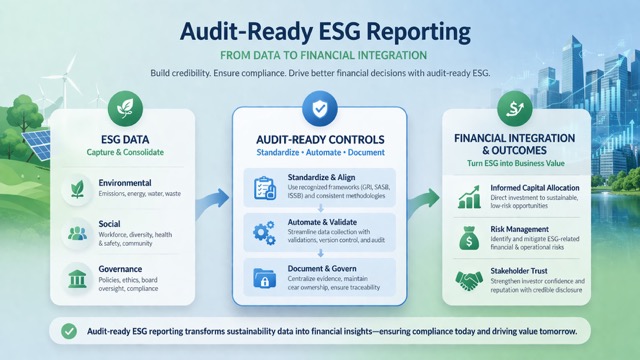
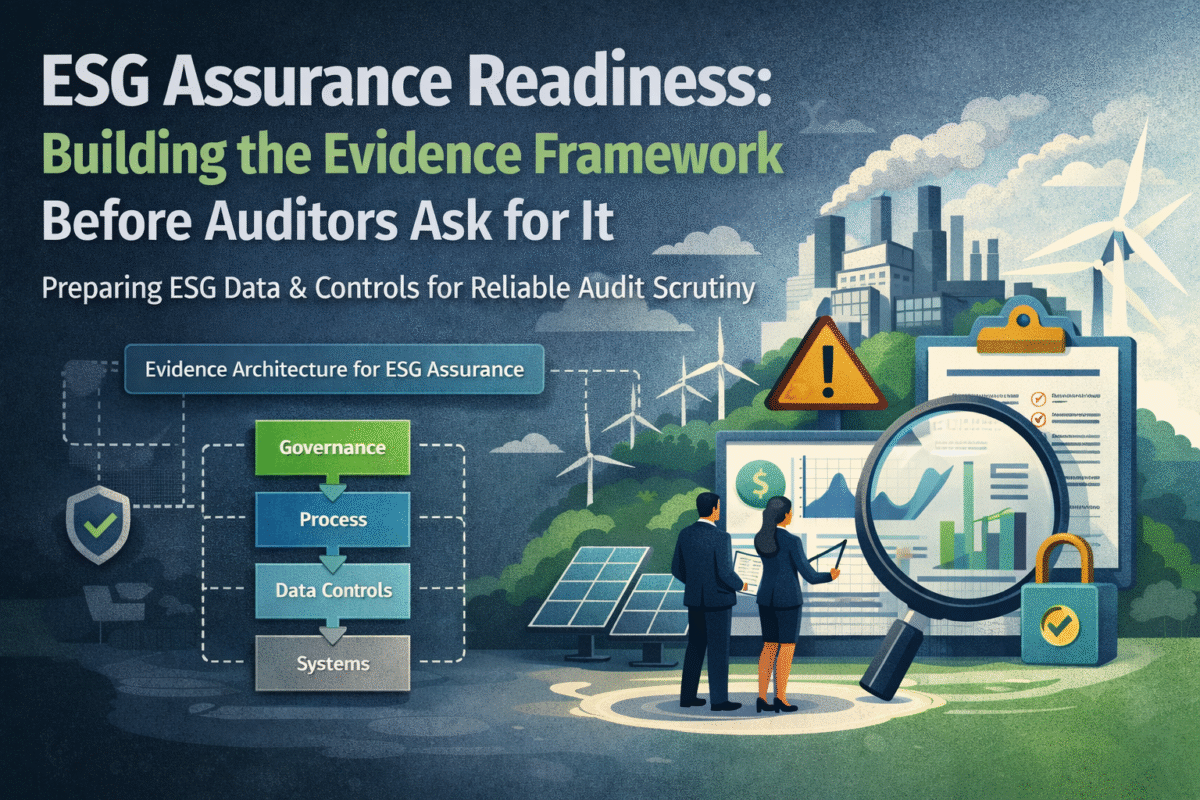
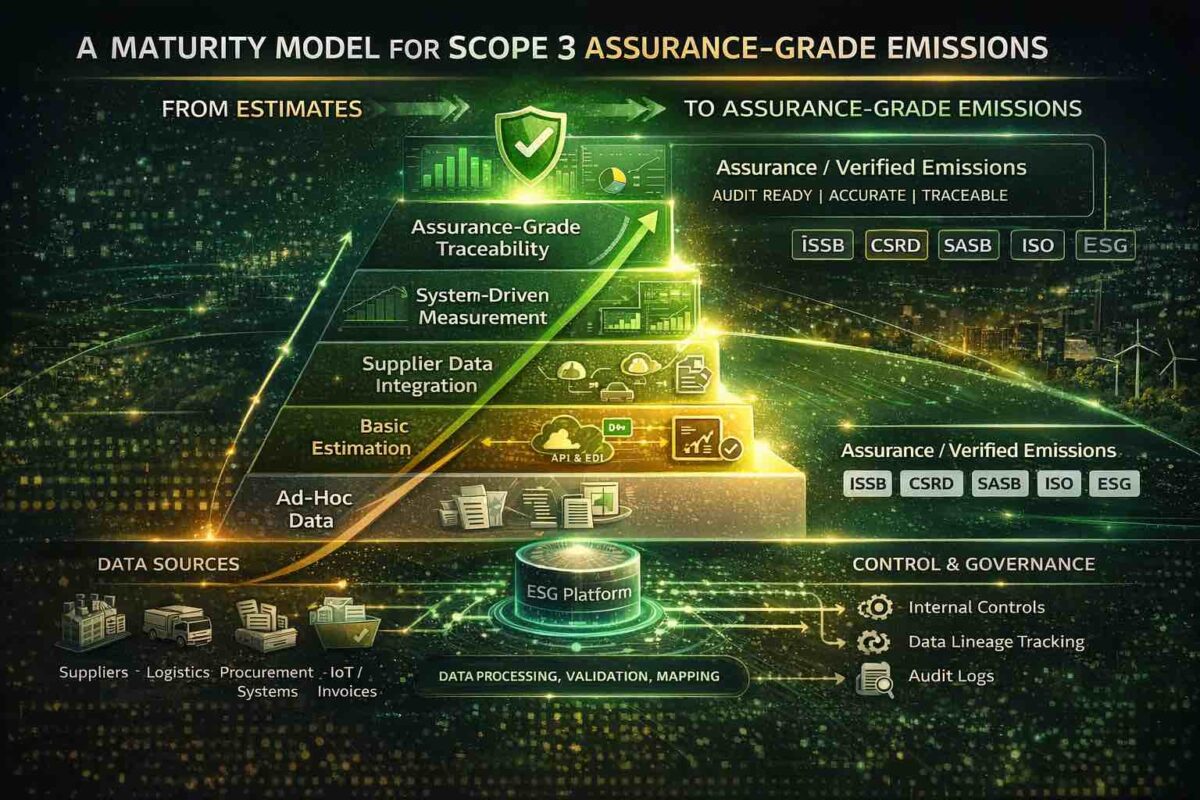
To achieve assurance-ready ESG reporting, organisations must build a three-layer architecture:
1. Source Layer (Data Capture)
- ERP, HRMS, energy systems
- Supplier data (Scope 3 emissions)
- Climate models and external inputs
2. Control Layer (Validation & Governance)
- Calculation methodologies
- Approval workflows
- Version control and audit trails
3. Disclosure Layer (Reporting Output)
- Direct mapping to ISSB S1 & S2
- Read-only outputs
- Prevention of last-minute manipulation
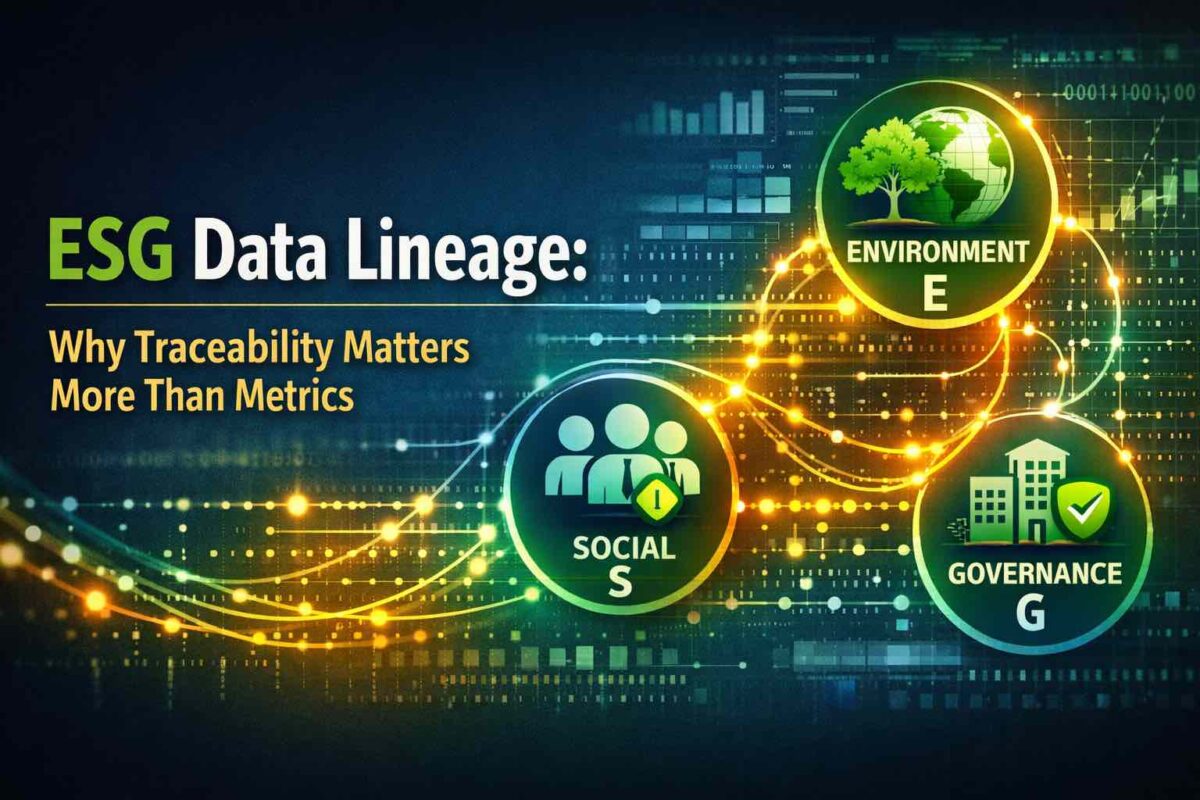
Companies that calculate ESG metrics only at the reporting stage will fail assurance due to lack of data lineage and control traceability.
Internal Controls: Applying Financial Discipline to ESG
ISSB introduces a fundamental expectation:
ESG data must be governed with the same rigour as financial data.
This aligns closely with principles under the Sarbanes-Oxley Act.
Key Control Types for ESG Systems
Preventive Controls
- System validations
- Mandatory fields
- Locked methodologies
Detective Controls
- Variance analysis
- Reconciliations
- Trend monitoring
Governance Controls
- Maker-checker workflows
- Role-based approvals
- Evidence documentation
The reality:
Most organisations define controls but fail to operationalise them.
Assurance Readiness: Designing ESG Systems for Audit
ISSB assumes that ESG disclosures will be subject to assurance.
This means organisations must be able to demonstrate:
- Data lineage from source to disclosure
- Consistency in methodologies
- Evidence of control execution
Companies like Volkswagen Group have strengthened their ESG systems to meet assurance expectations.
Critical insight:
Assurance failures rarely arise from incorrect numbers—they arise from weak systems, processes, and governance.
How to Implement ISSB S1 & S2: A Practical Framework
A structured implementation approach typically involves five phases:
Phase 1: ESG Diagnostic & Gap Assessment
- Identify gaps across governance, data, and controls
- Map current state vs ISSB requirements
Phase 2: Define Boundaries & Methodologies
- Standardise calculation methods
- Establish organisational boundaries
Phase 3: Build ESG Data Architecture
- Integrate systems across departments
- Implement control frameworks
Phase 4: Achieve Assurance Readiness
- Document processes
- Conduct internal testing and mock audits
Phase 5: Continuous Improvement
- Refine methodologies
- Improve data quality and system maturity
Why ISSB Matters: The Capital Markets Perspective
ISSB is fundamentally about capital markets trust.
Investors increasingly rely on ESG data to assess:
- Transition risks
- Long-term cash flows
- Strategic resilience
Organisations that fail to implement ISSB effectively face:
- Reduced investor confidence
- Higher cost of capital
- Increased scrutiny from regulators
Conclusion: From ESG Reporting to ESG Credibility
ISSB S1 and S2 are not just reporting standards—they represent a new operating model for ESG.
They require organisations to move:
- From narrative → to measurable data
- From sustainability → to financial integration
- From compliance → to strategic decision-making
Ultimately, companies that succeed will be those that:
✔ Integrate ESG into financial systems
✔ Build governance-led ESG architectures
✔ Deliver assurance-ready disclosures
This is where ESG transitions from a reporting exercise to a driver of enterprise value and capital allocation discipline.